A Name in Dispute: How Wine Learned to Protect Its Origins
Discover how wine protected its origins through boundaries, disputes and shared rules—and what an appellation can, and cannot, tell you about a bottle.
Cellar Journal
Discover how wine protected its origins through boundaries, disputes and shared rules—and what an appellation can, and cannot, tell you about a bottle.
Explore how bottles, closures, oxygen and storage shape a wine over time—and why surviving, evolving and improving are different things.
Pasteur changed how we understood wine. Explore yeast, preservation and the experiments that carried fermentation beyond the living cell.
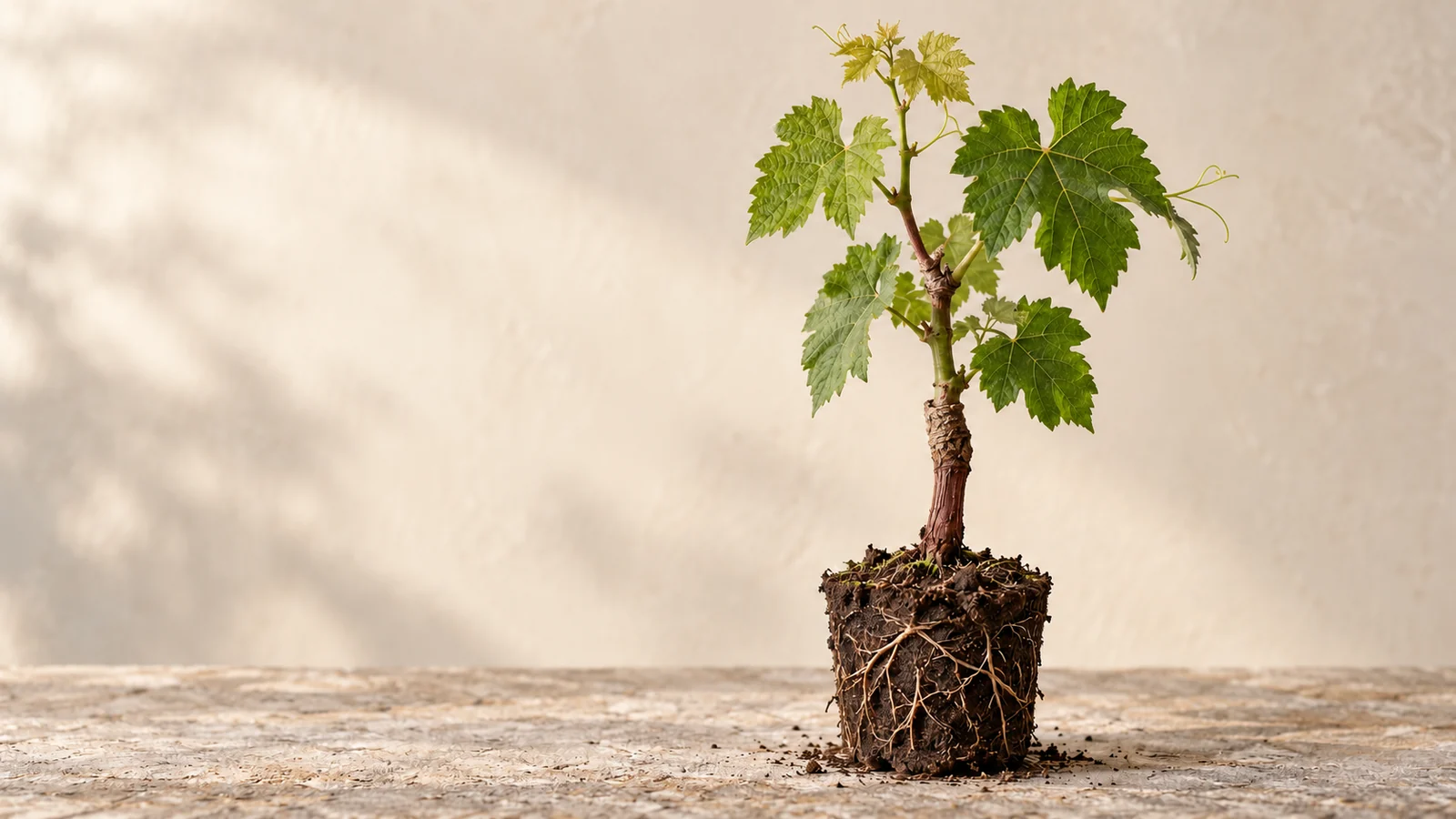
Why did phylloxera transform vineyards? Discover grafting, rootstocks and the difference between own-rooted, old and pre-phylloxera vines.
How did vines become American vineyards? Follow routes, missions, Indigenous expertise and African labor—and the history behind País and Mission.
Who built the medieval vineyard? Follow monks, tenant families, coopers and merchants through land records, cellar accounts and wine trade.
Inside a Roman winery: presses, clay vessels and the people behind the harvest—and what archaeology can really tell us about the wine.
How amphorae, shipwrecks and Mediterranean ports reveal the movement of wine, vines and knowledge—and what their surviving traces can really tell us.
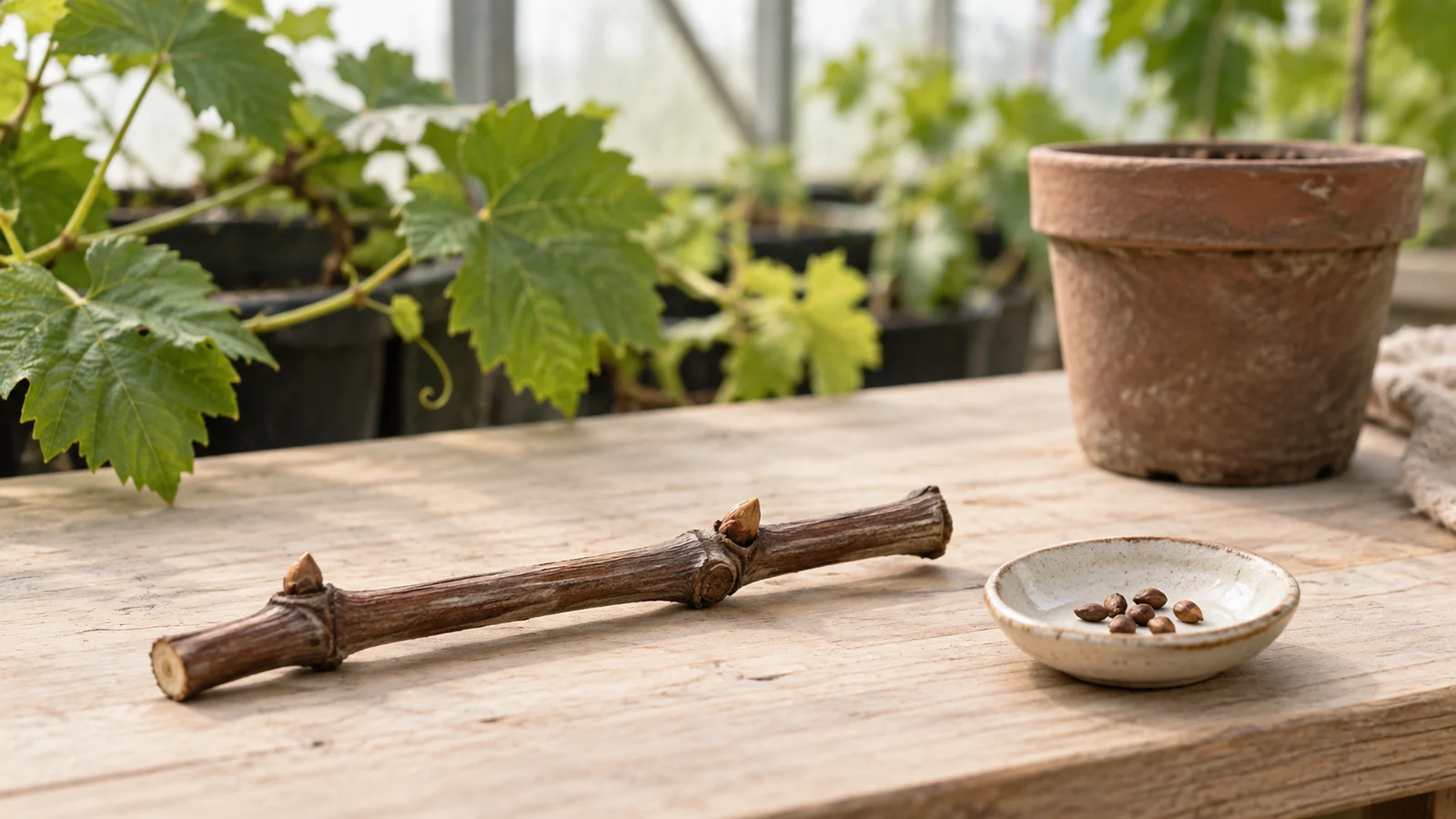
How did wild grapes become vineyard vines? Explore selection, flowers, cuttings and ancient DNA—and why domestication has no single simple story.
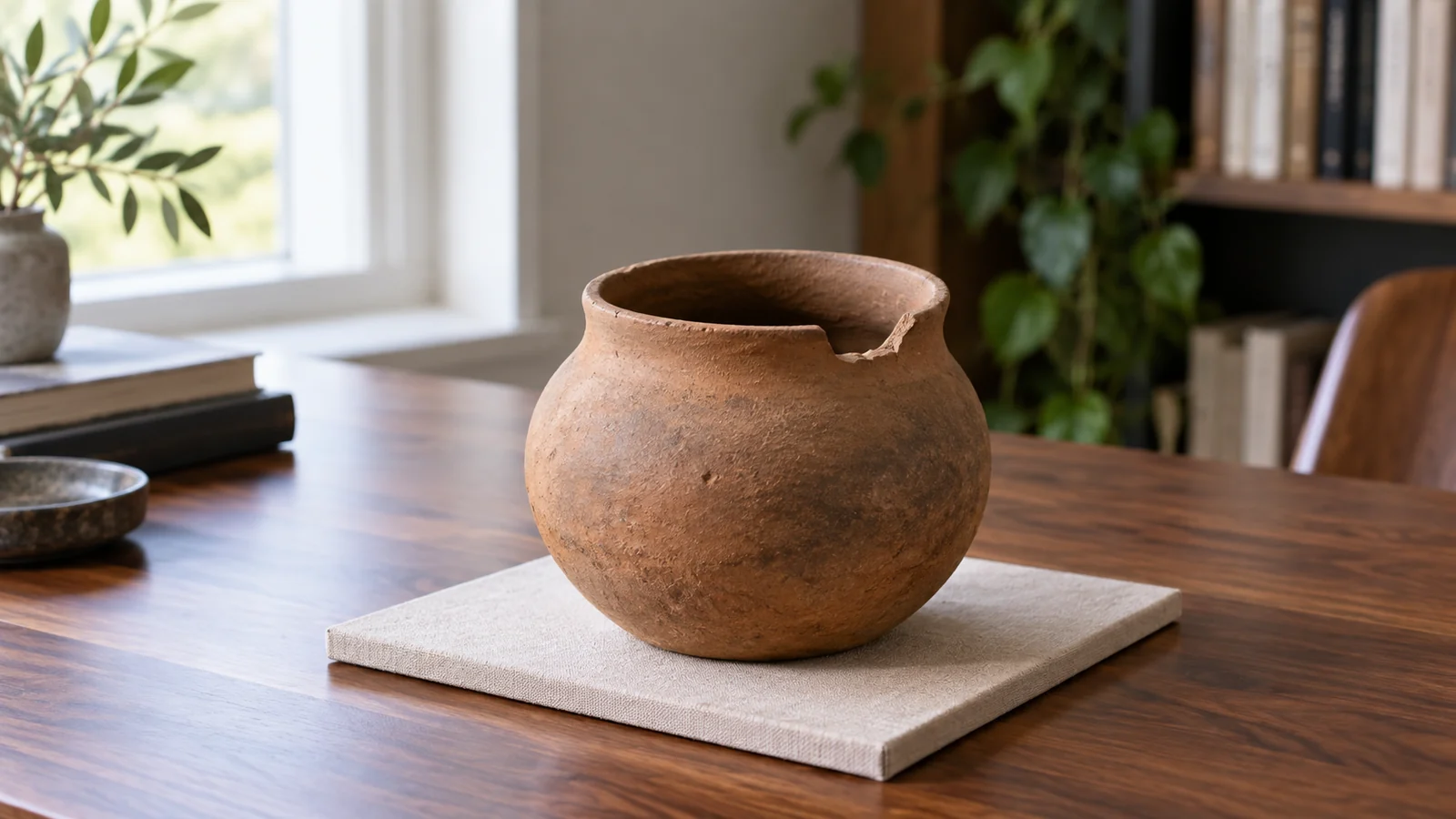
When did wine begin? Follow ancient jars, grape remains and scientific debate to understand what the earliest evidence can—and cannot—tell us.
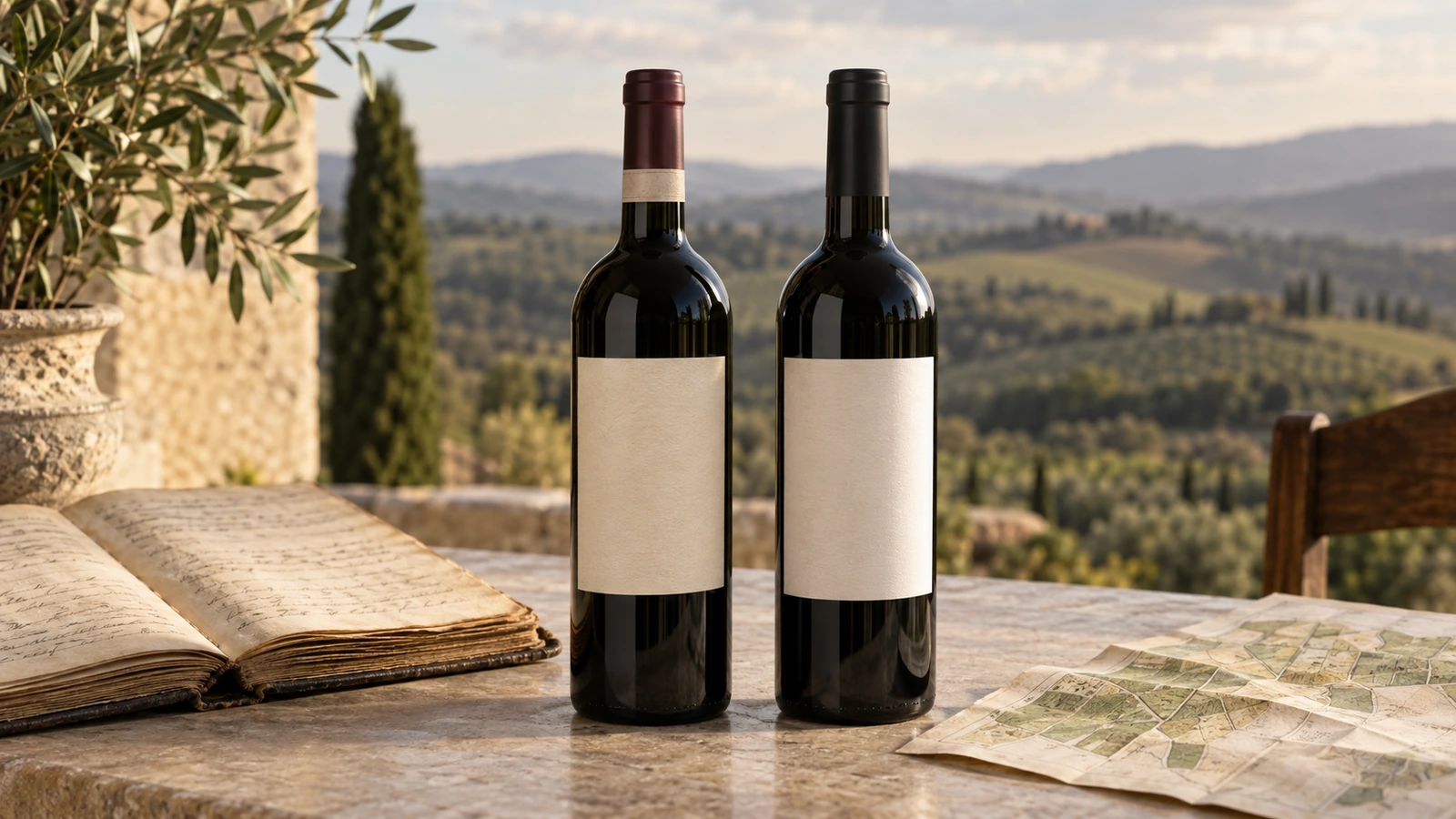
Tignanello exposed the distance between legal classification and bottle quality. Learn what “Super Tuscan” really means—and what the term cannot tell you.
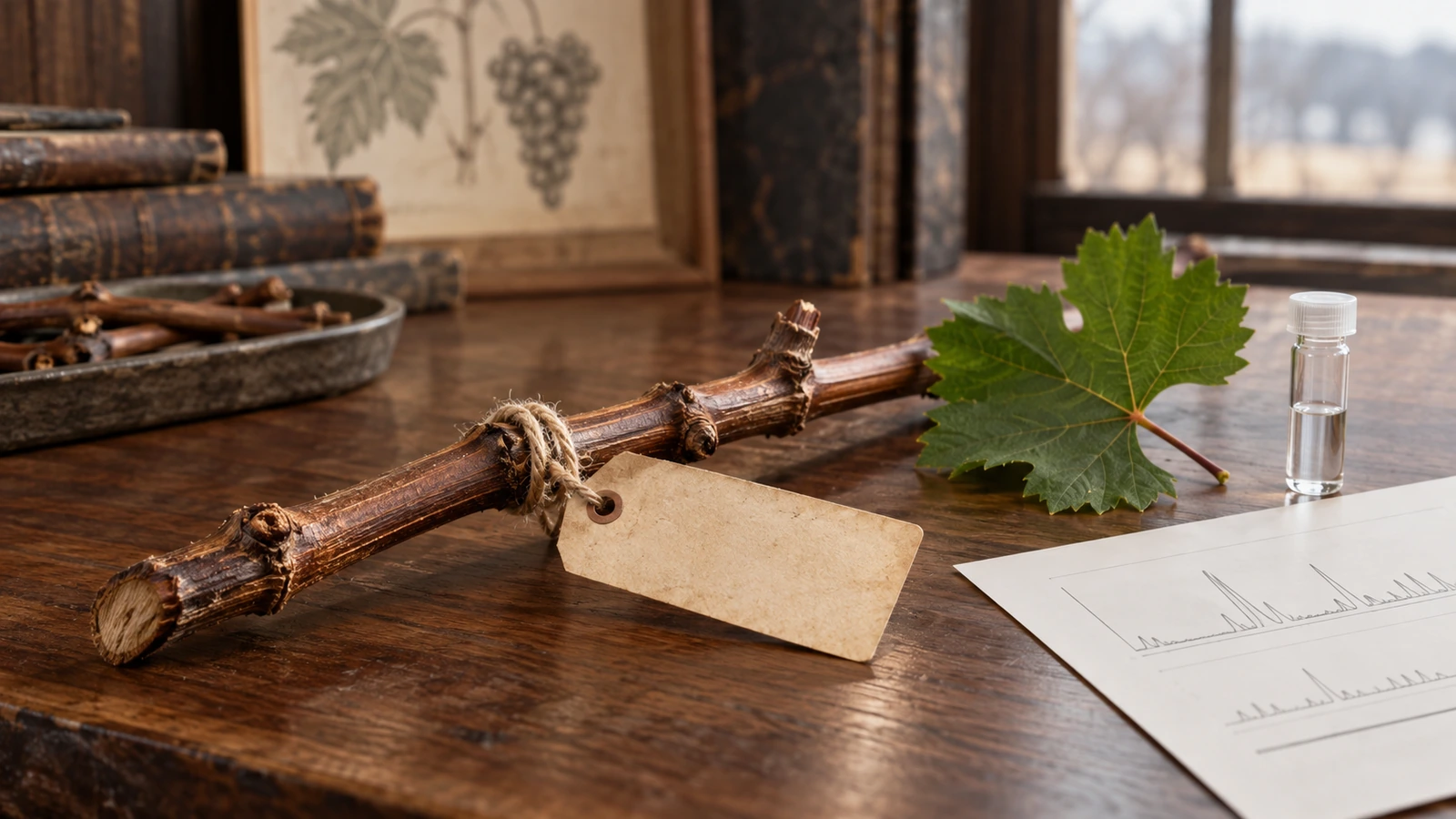
A grape name can hide synonyms, old mistakes, or genetic surprises. Learn how DNA identifies vines—and what it still cannot prove about the wine.