A Name in Dispute: How Wine Learned to Protect Its Origins
Discover how wine protected its origins through boundaries, disputes and shared rules—and what an appellation can, and cannot, tell you about a bottle.
Cellar Journal
Discover how wine protected its origins through boundaries, disputes and shared rules—and what an appellation can, and cannot, tell you about a bottle.
Explore how bottles, closures, oxygen and storage shape a wine over time—and why surviving, evolving and improving are different things.
Pasteur changed how we understood wine. Explore yeast, preservation and the experiments that carried fermentation beyond the living cell.
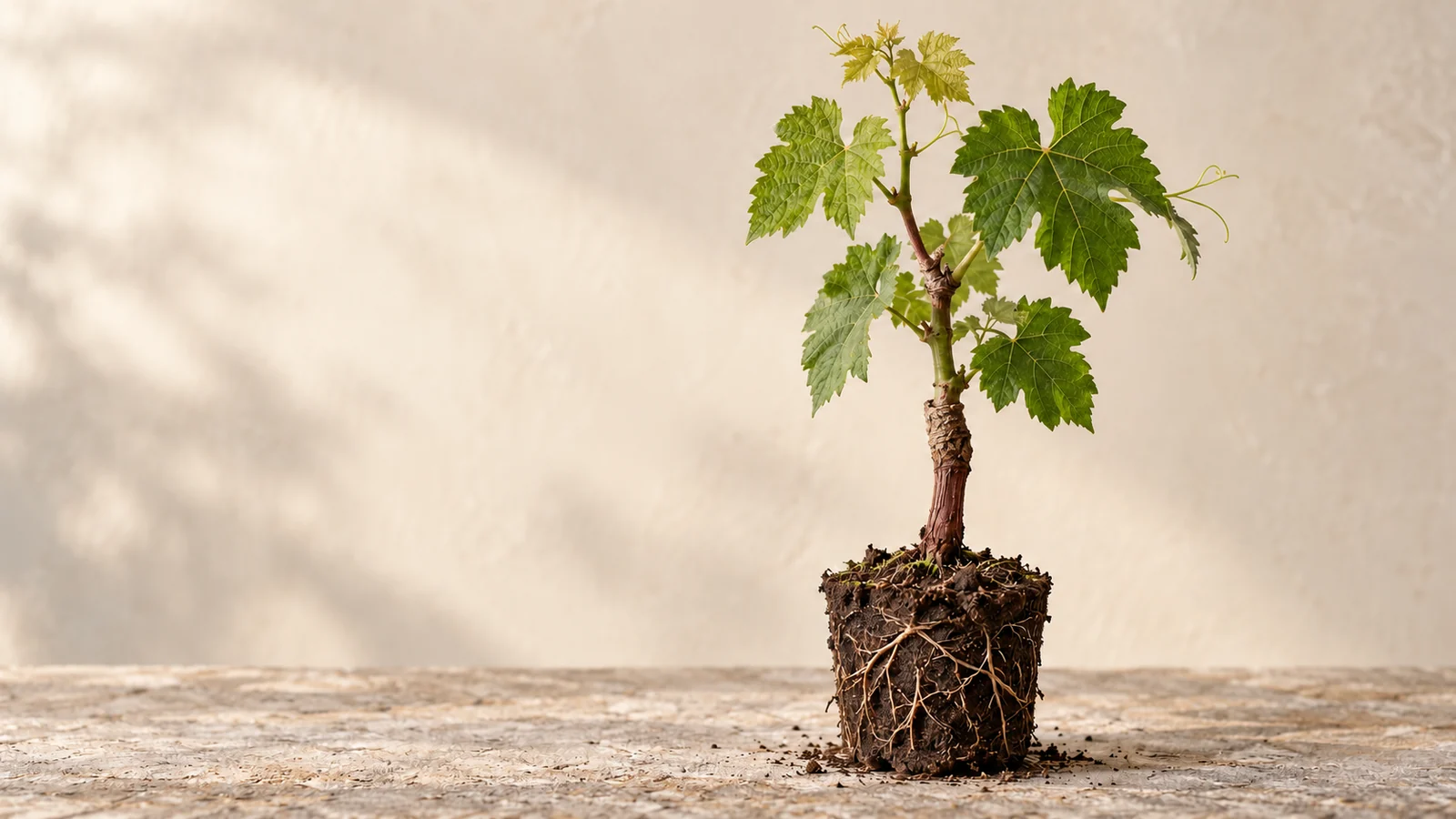
Why did phylloxera transform vineyards? Discover grafting, rootstocks and the difference between own-rooted, old and pre-phylloxera vines.
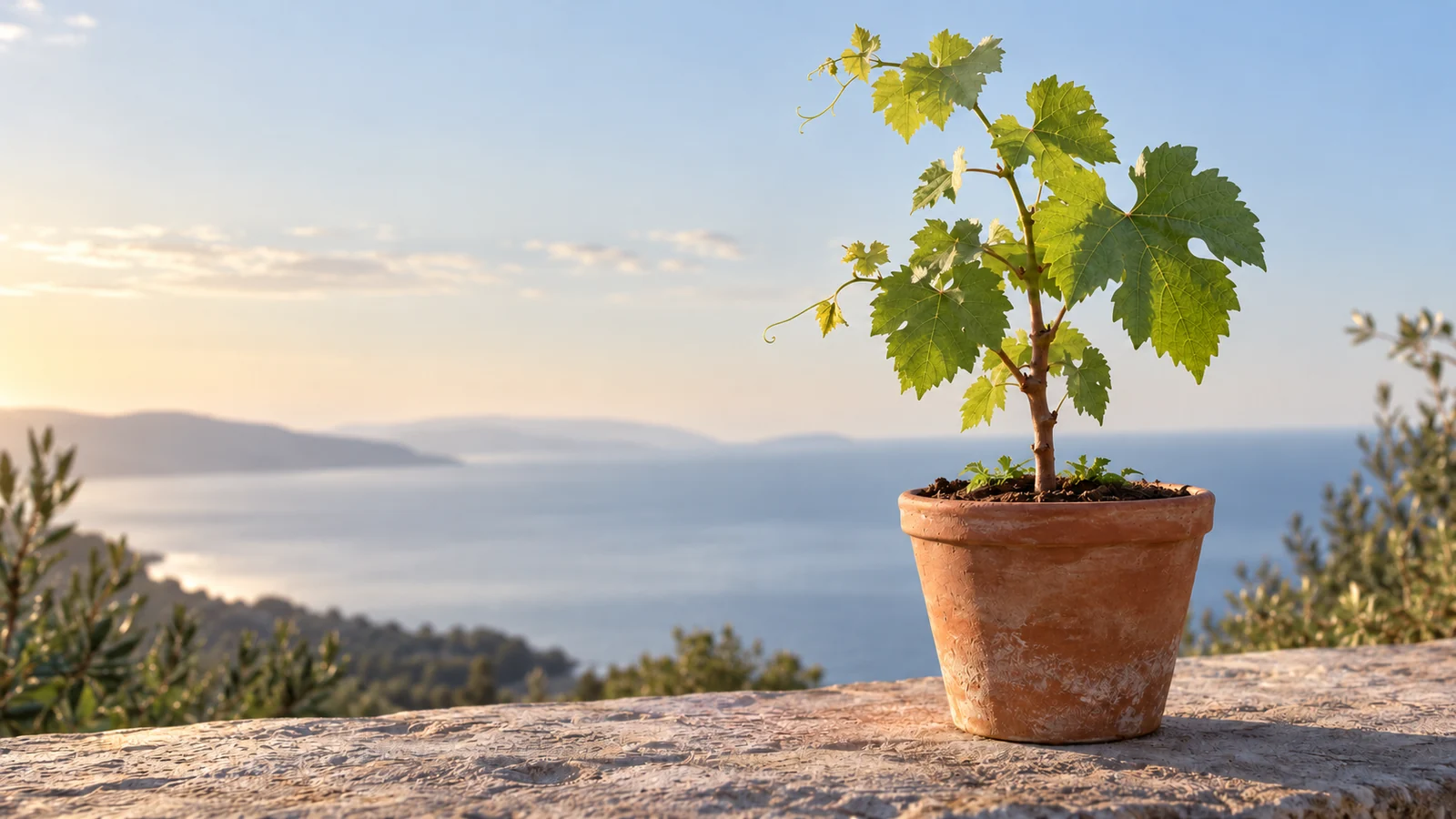
How did vines become American vineyards? Follow routes, missions, Indigenous expertise and African labor—and the history behind País and Mission.
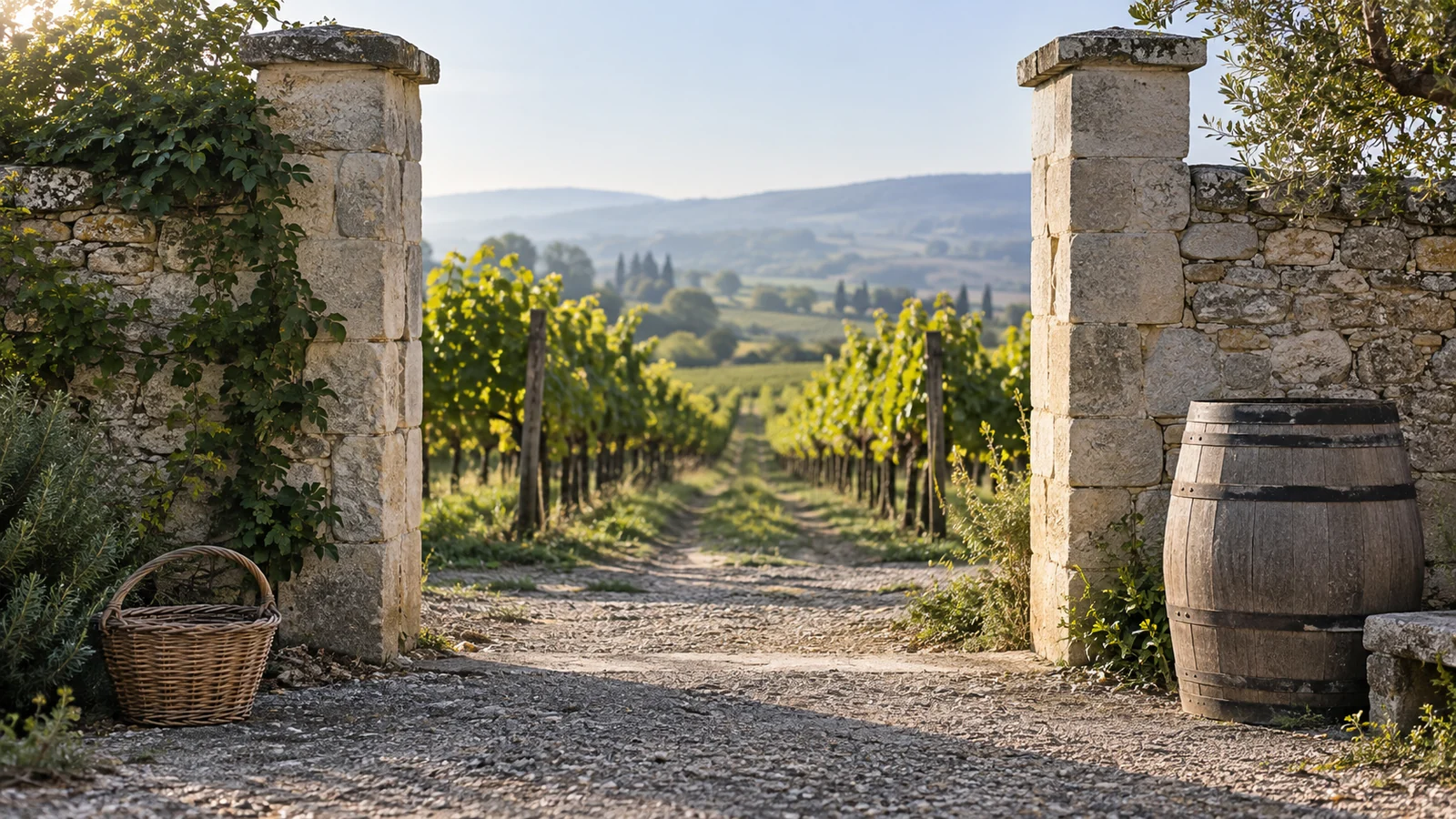
Who built the medieval vineyard? Follow monks, tenant families, coopers and merchants through land records, cellar accounts and wine trade.
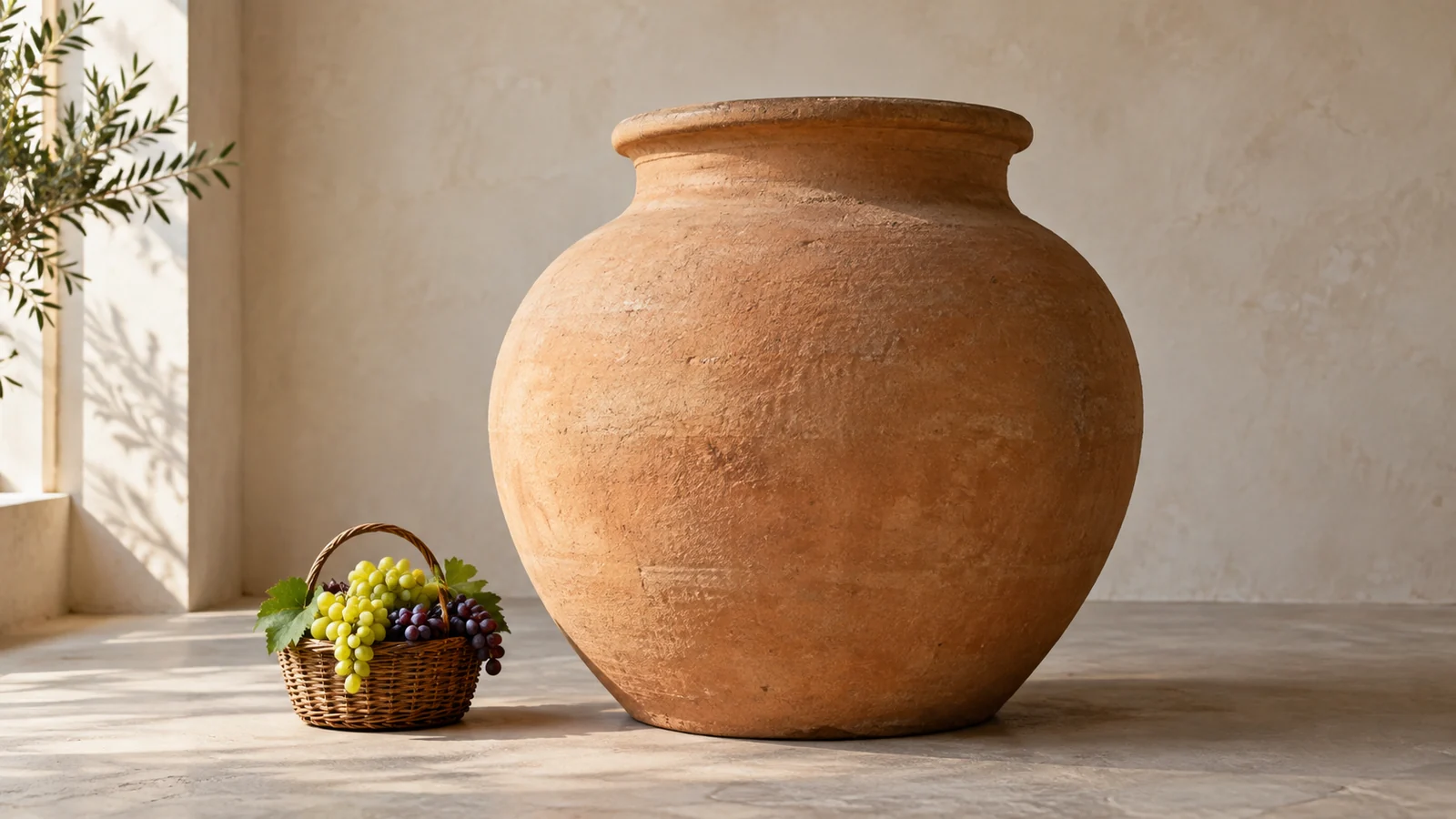
Inside a Roman winery: presses, clay vessels and the people behind the harvest—and what archaeology can really tell us about the wine.
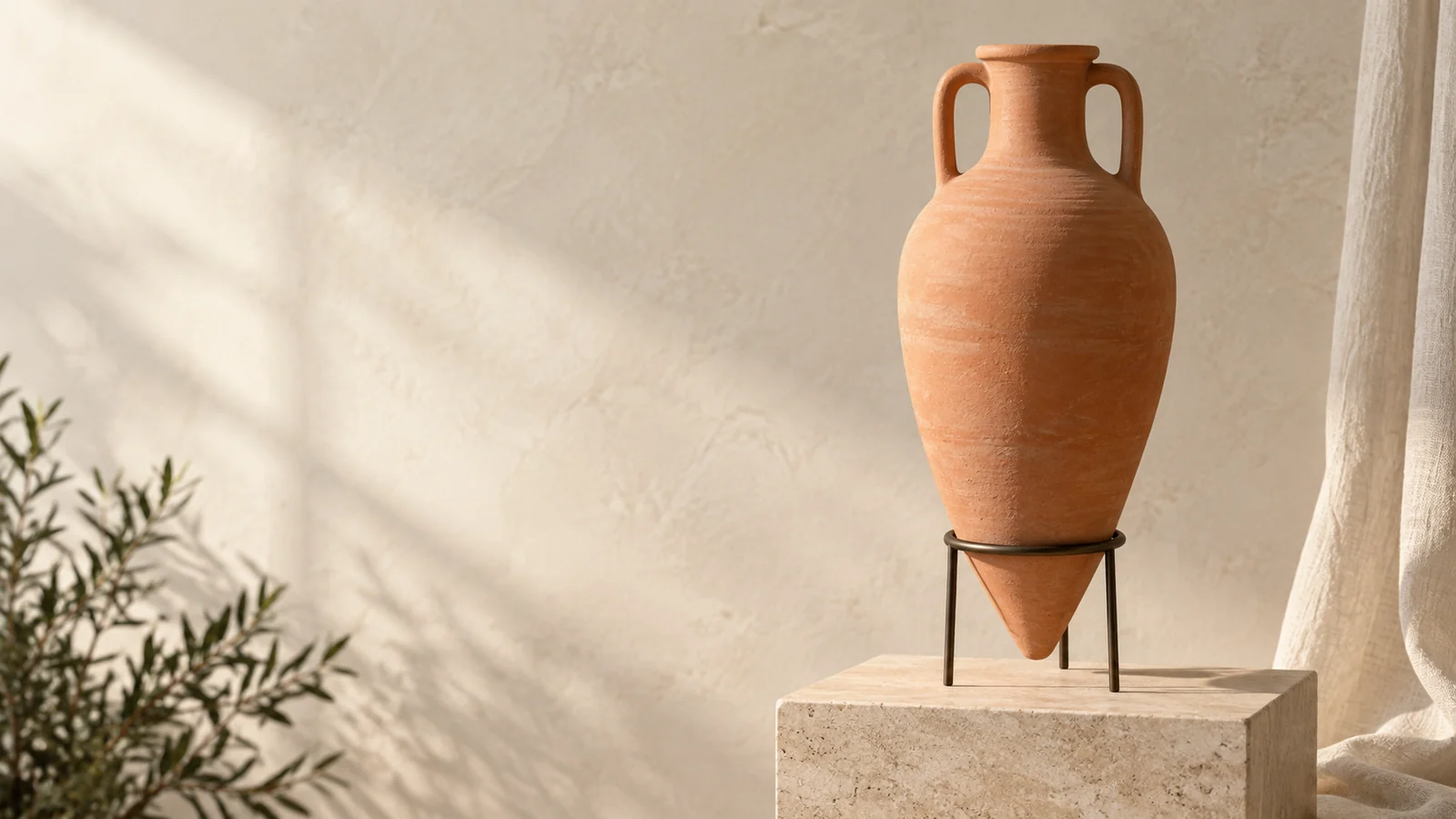
How amphorae, shipwrecks and Mediterranean ports reveal the movement of wine, vines and knowledge—and what their surviving traces can really tell us.
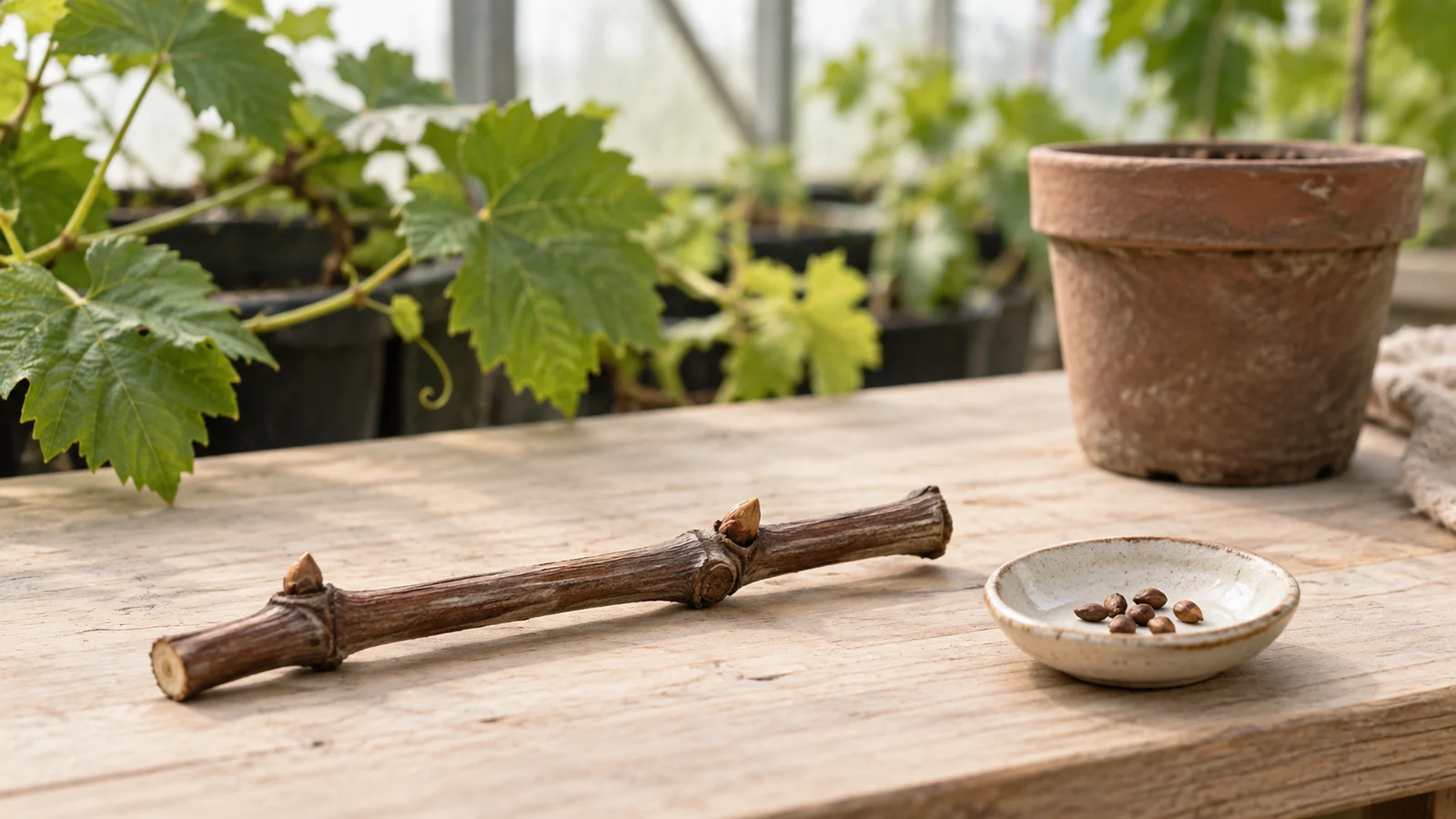
How did wild grapes become vineyard vines? Explore selection, flowers, cuttings and ancient DNA—and why domestication has no single simple story.
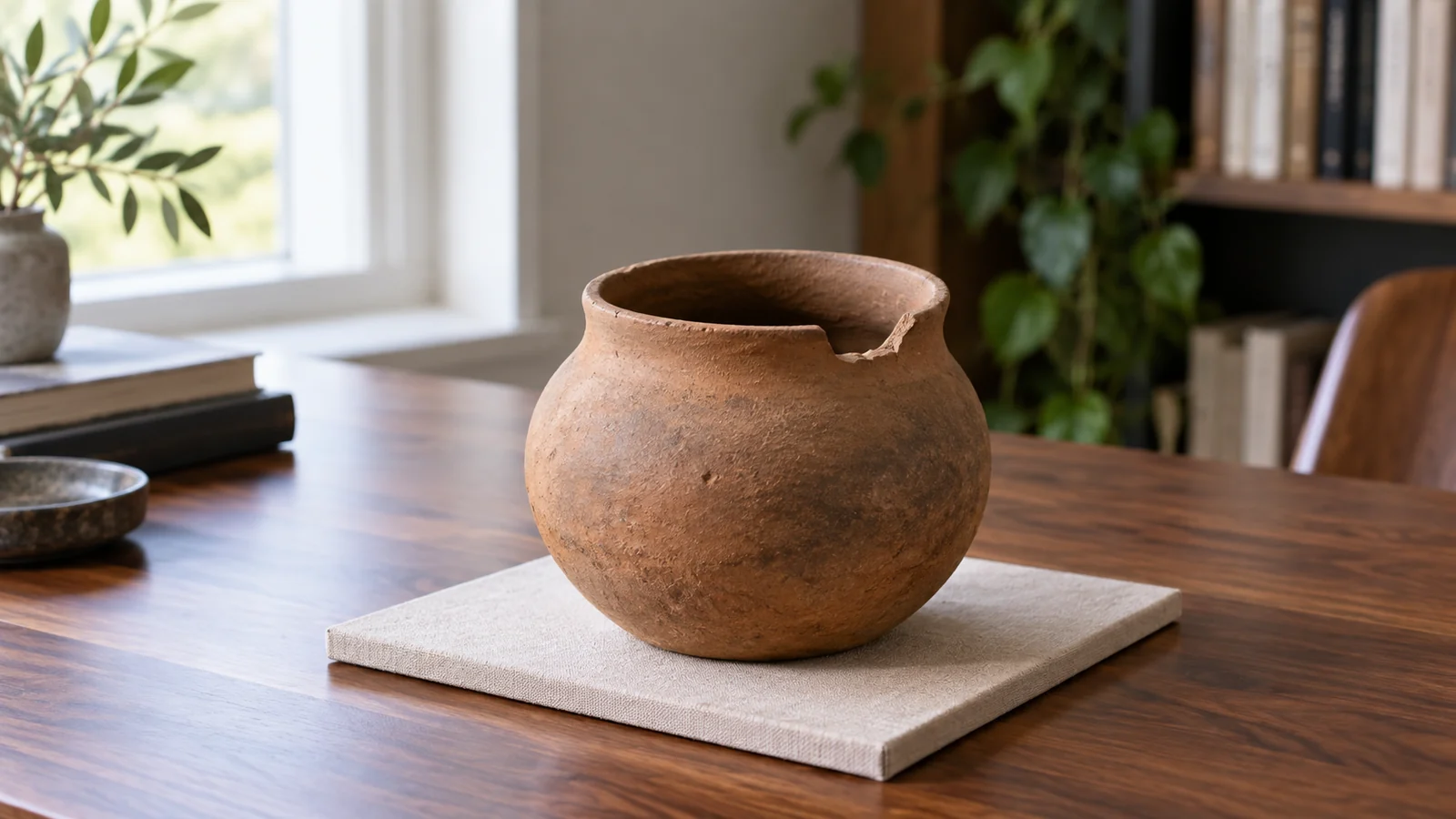
When did wine begin? Follow ancient jars, grape remains and scientific debate to understand what the earliest evidence can—and cannot—tell us.
Can AI taste wine? Explore wine recommendations, personal palate, evidence and uncertainty—and learn what a match score can and cannot tell you.
Organic, biodynamic, regenerative or sustainable? Decode wine claims, certification and scope without confusing farming practices with flavor.
How is non-alcoholic wine made? Explore alcohol removal, aroma, texture and label claims—and learn how to choose and serve the finished drink.
Should red wine be chilled? Explore serving temperatures, tannin and aroma, then find a useful cooling window for your bottle—not a universal rule.
How long should you decant wine? Separate sediment from aeration, compare small pours and learn when leaving the bottle alone is the better choice.
Is this wine faulty or just unfamiliar? Learn to recognize cork taint, reduction, Brett and volatile acidity without turning an aroma into a verdict.
What do sulfites do in wine? Understand preservation, label claims and sensitivity—and what research can and cannot say about wine headaches.
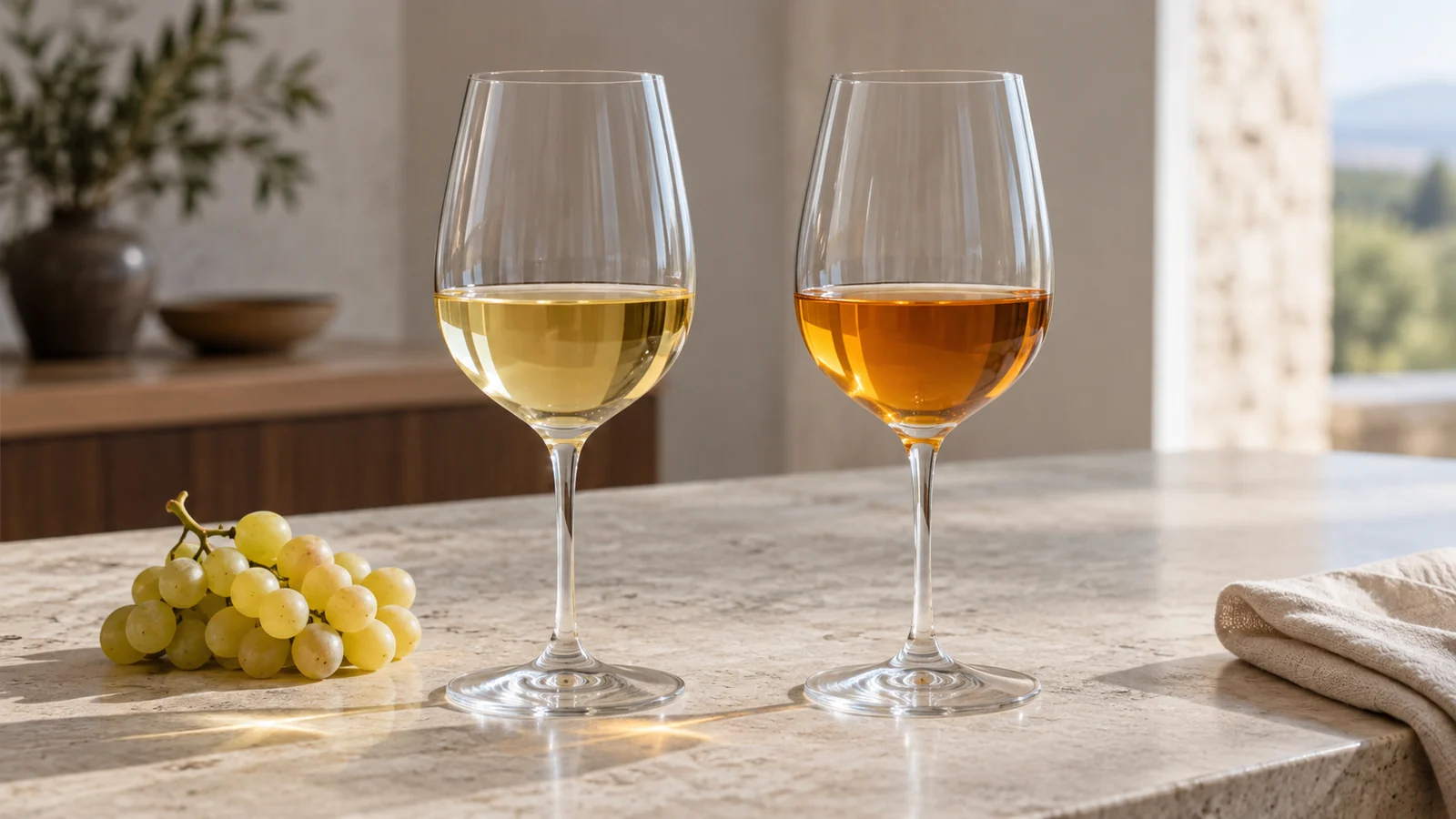
What is orange wine? Discover how white-grape skin contact changes color, aroma and texture—and why amber does not mean natural, sweet or faulty.
What is natural wine? Explore wild fermentation, sulfites and filtration—and learn what “minimal intervention” can and cannot tell you about a bottle.
Can wine really taste of place? Explore terroir, typicity, winemaking, and expectation—and learn what regional character can and cannot prove.
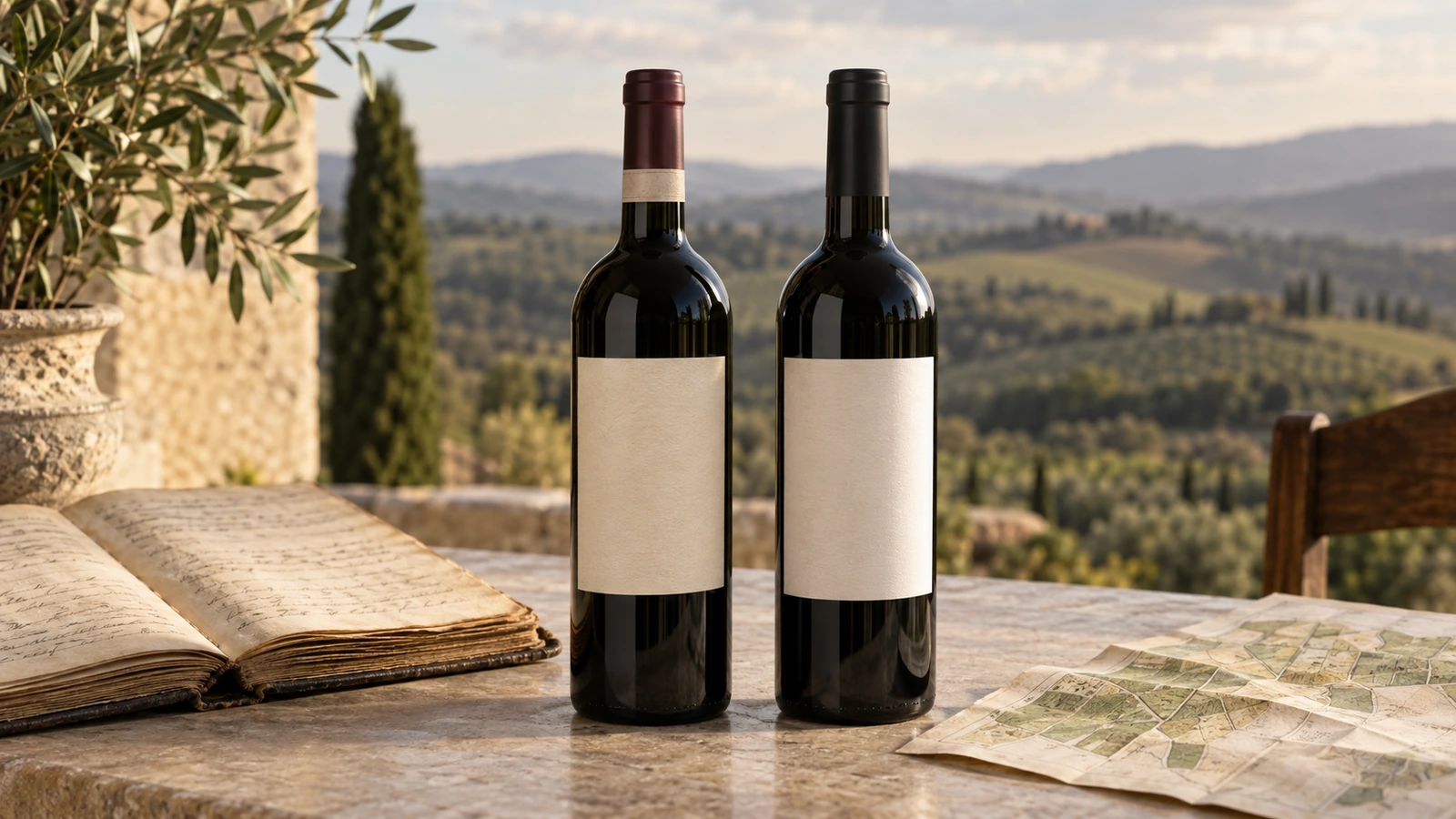
Tignanello exposed the distance between legal classification and bottle quality. Learn what “Super Tuscan” really means—and what the term cannot tell you.
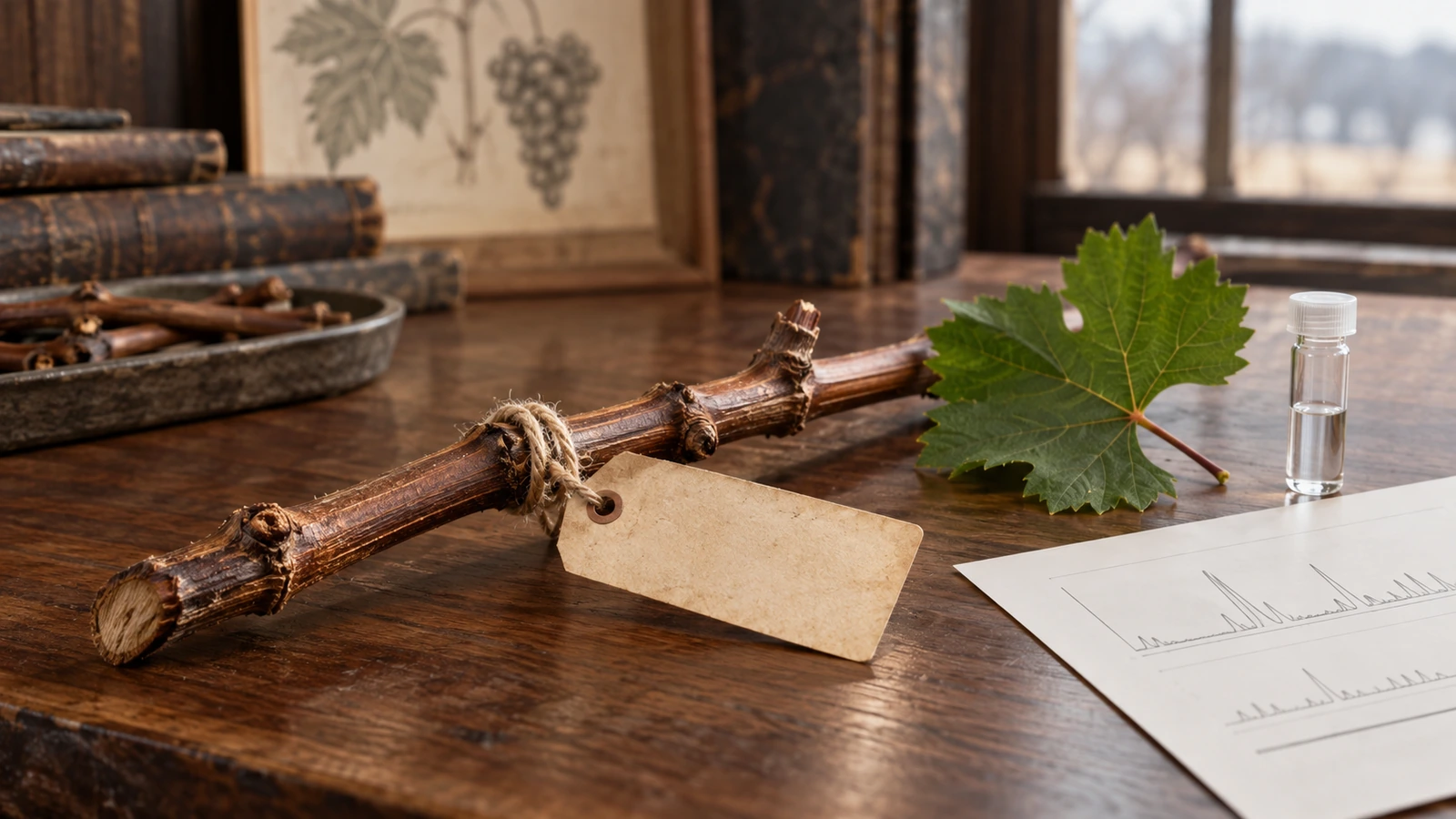
A grape name can hide synonyms, old mistakes, or genetic surprises. Learn how DNA identifies vines—and what it still cannot prove about the wine.
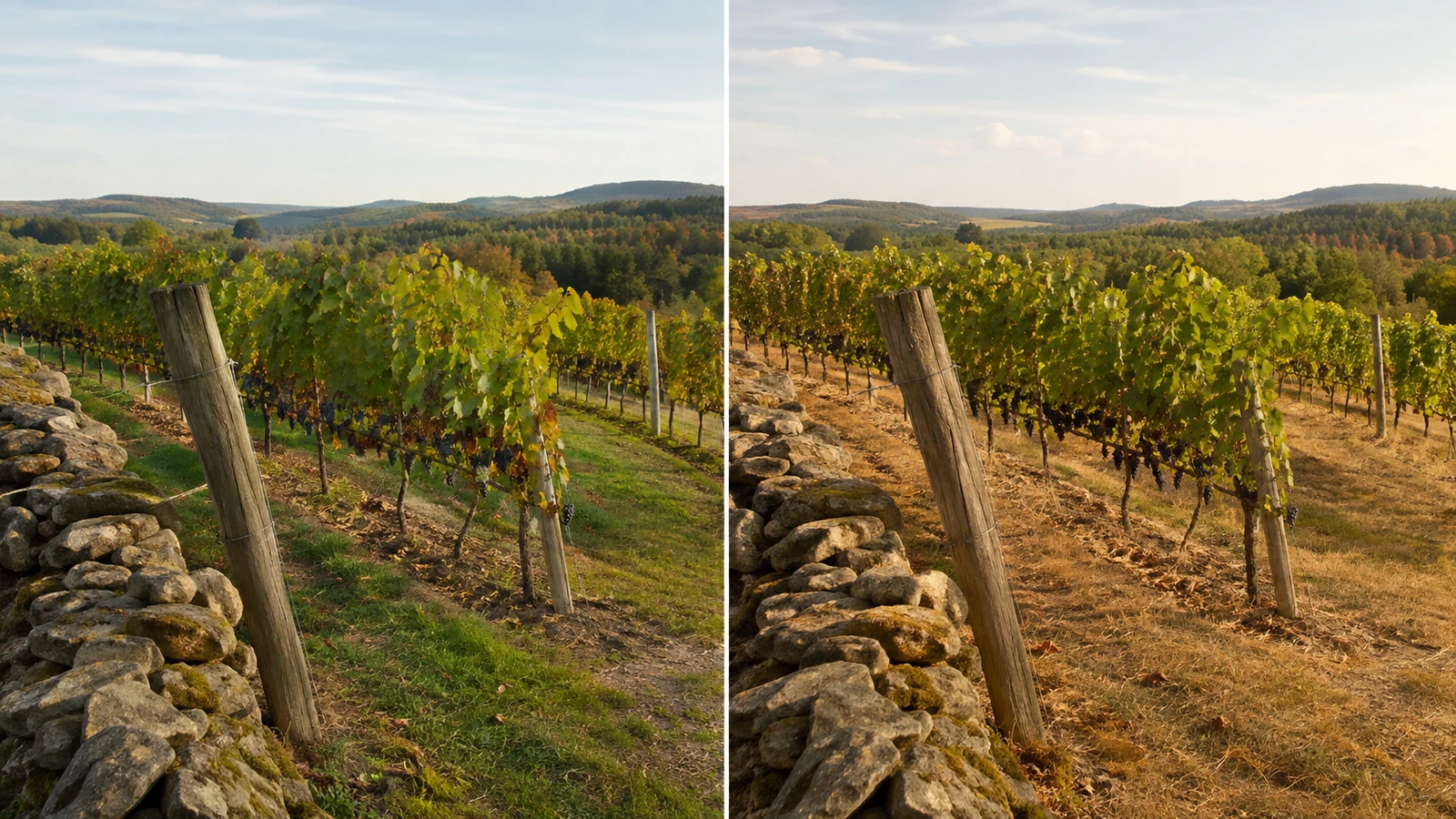
How is climate change altering wine vintages? Learn why harvest dates, ripeness, frost, drought, and grower decisions make old vintage rules less reliable.
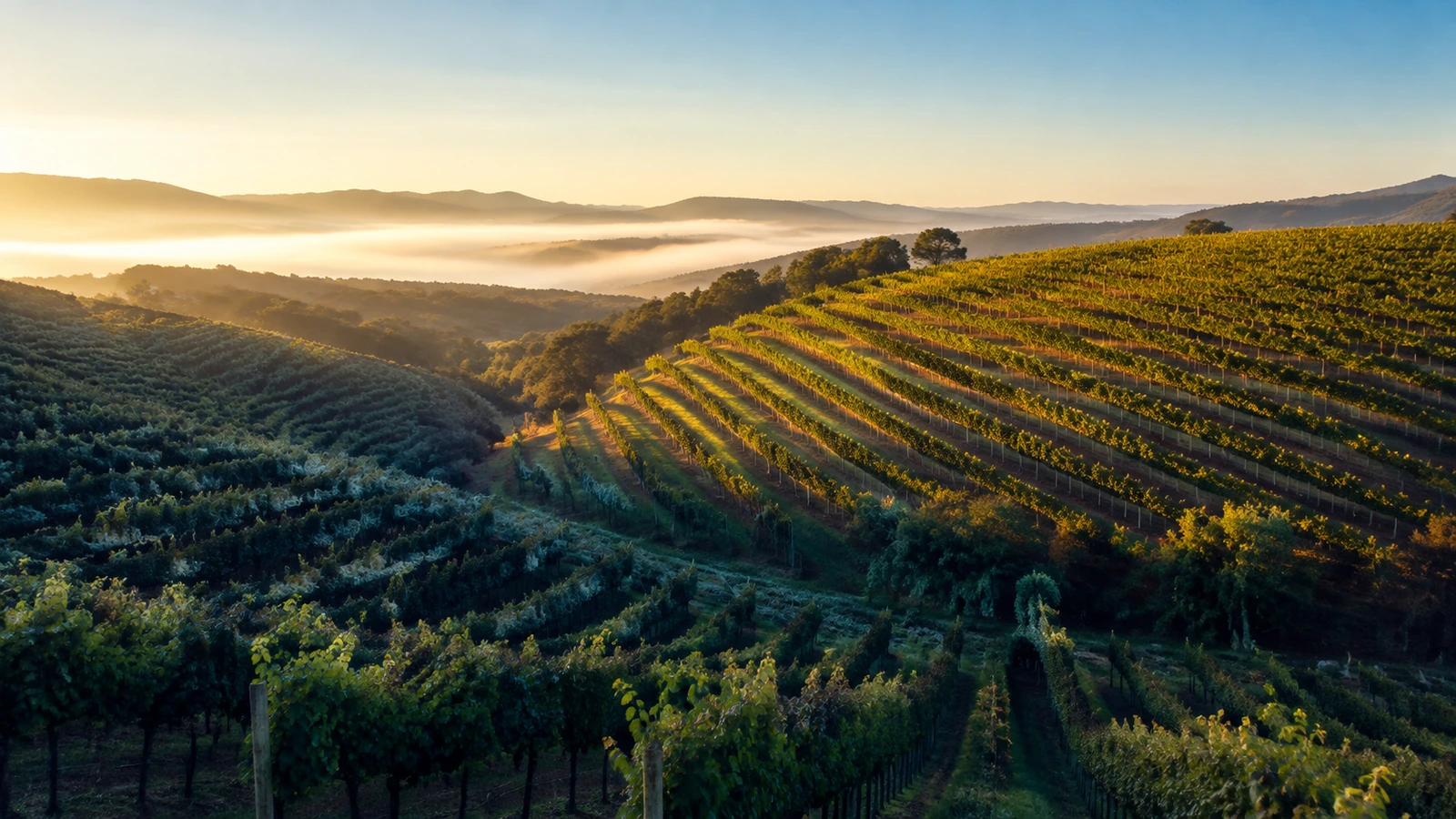
Why do vineyard direction and slope matter? Learn how sunlight, heat, airflow, water, altitude, and canopy shape grape ripening—and why no aspect always wins.
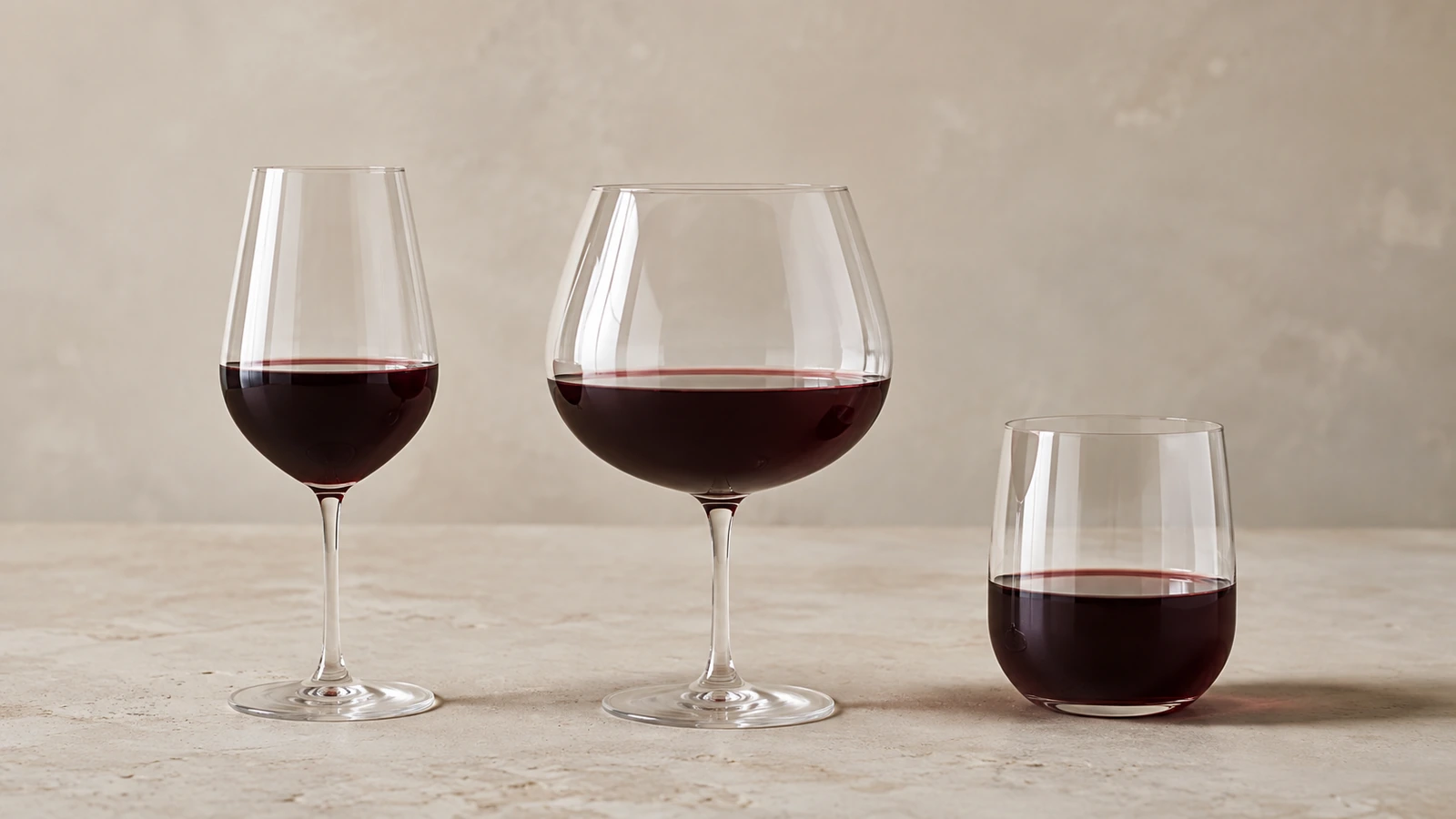
Can wine glass shape change aroma and flavor? See how headspace, temperature, swirling, rim, and expectation affect the same wine—and where claims go too far.
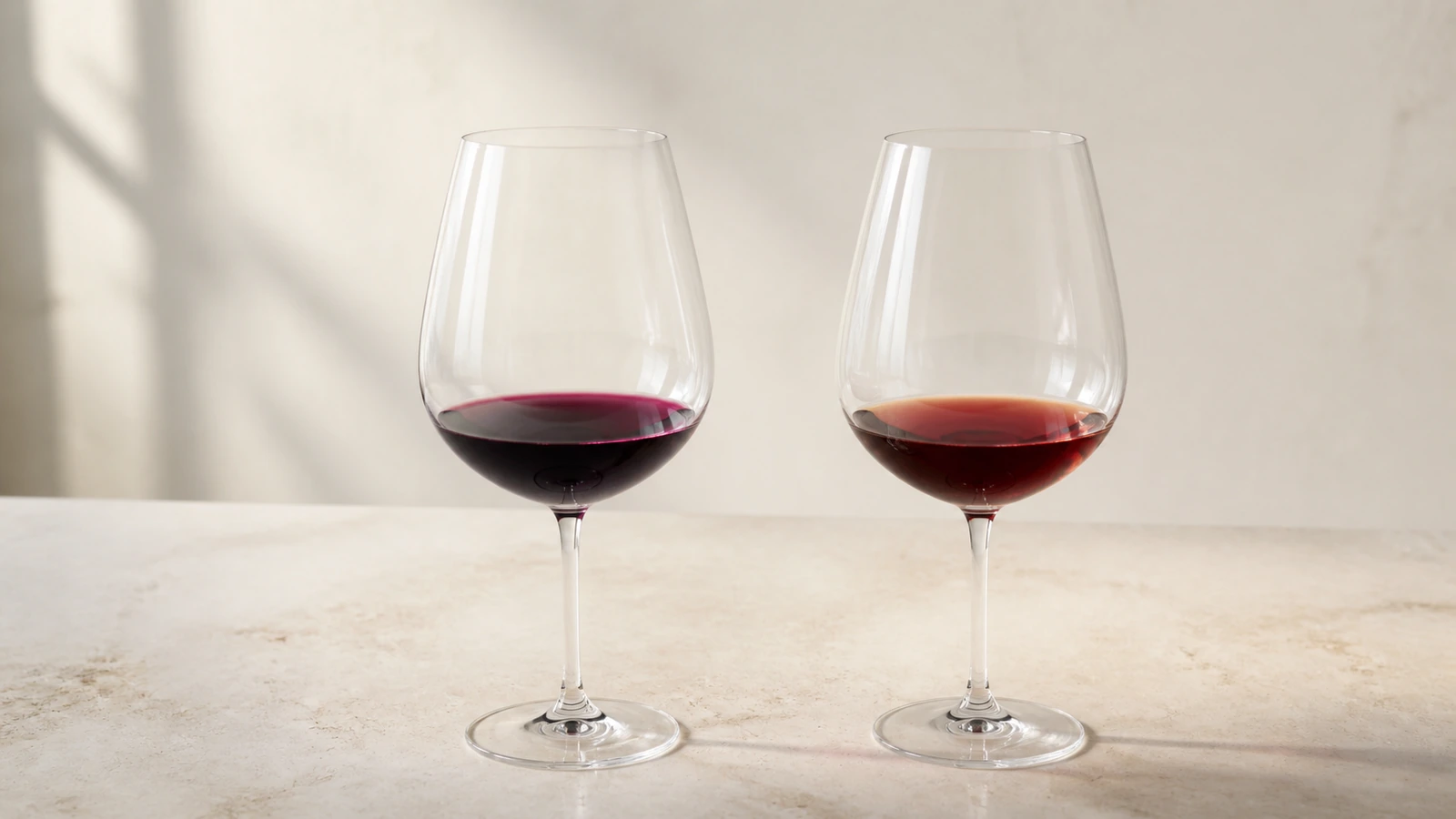
Why does red wine turn from purple to garnet or brick? Learn how anthocyanins, tannins, pH, oxygen, and storage reshape color over time.
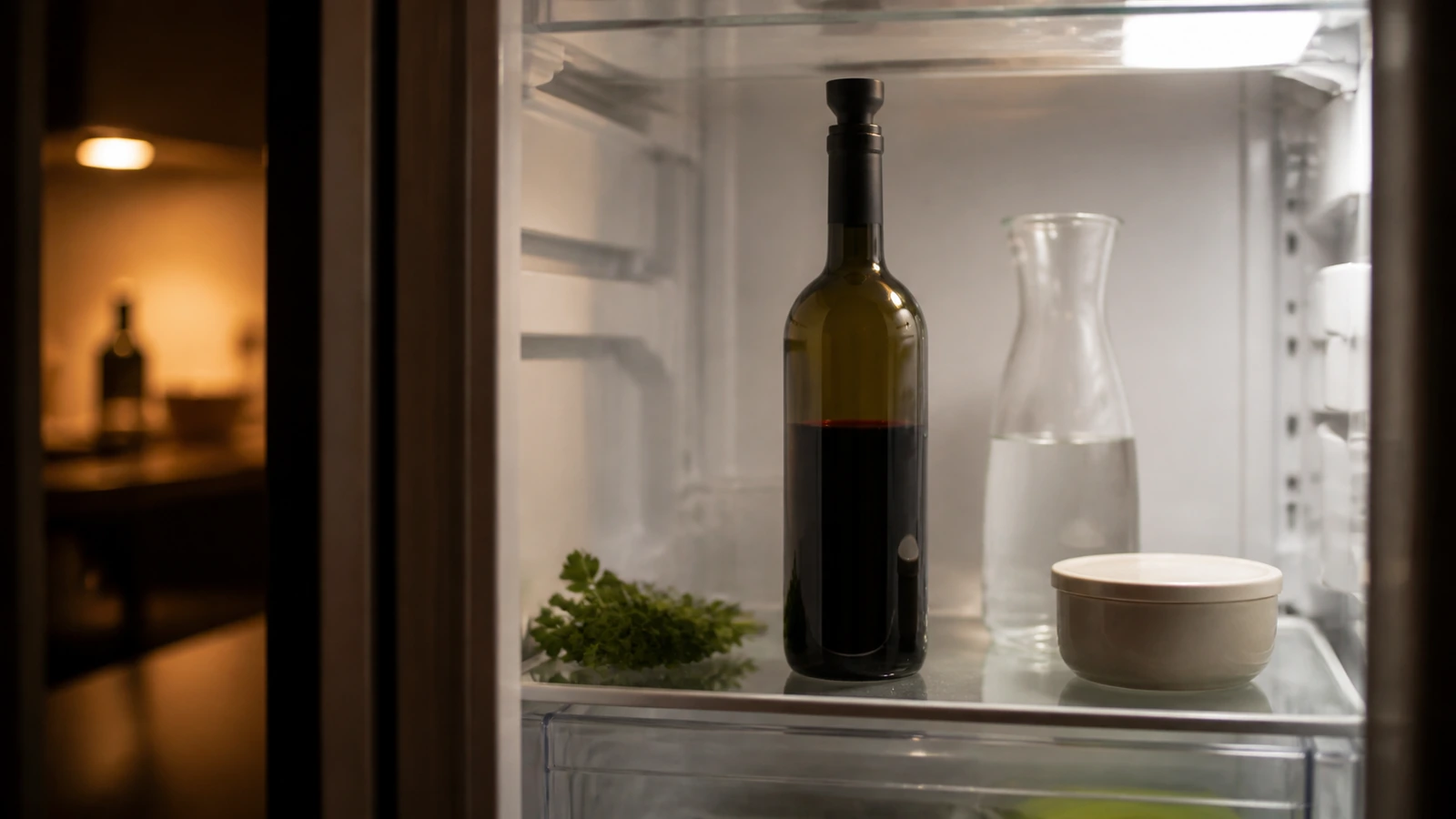
Should opened red wine go in the fridge? Learn how temperature, oxygen, closures, and time affect open and unopened bottles.
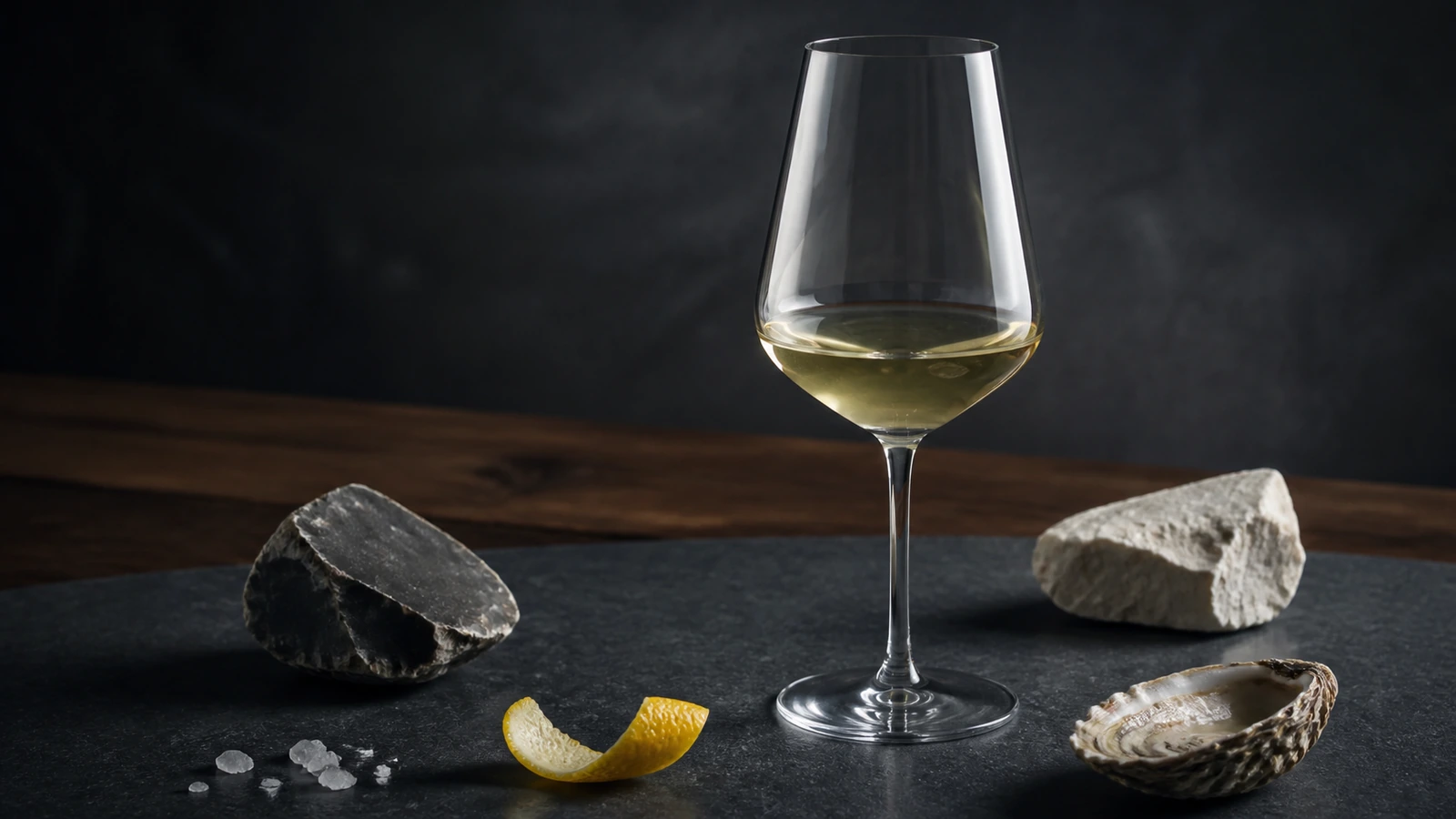
What does minerality in wine really mean? Separate flint, salinity, acidity, texture, and soil influence from the myth of tasting rocks.
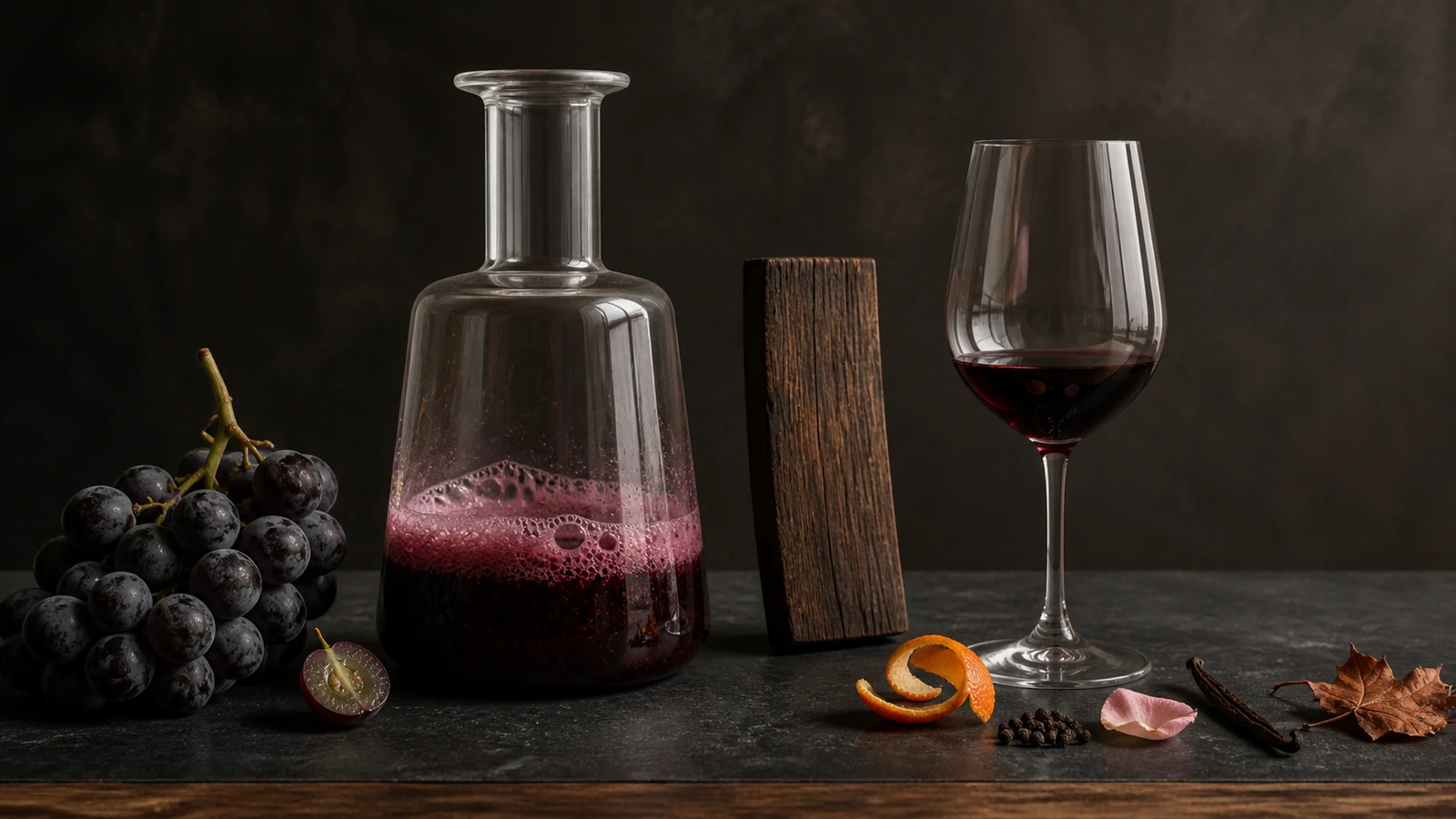
Why can wine smell like roses, grapefruit, butter, vanilla, or leather when none were added? Follow aroma from grape precursors through fermentation and age.
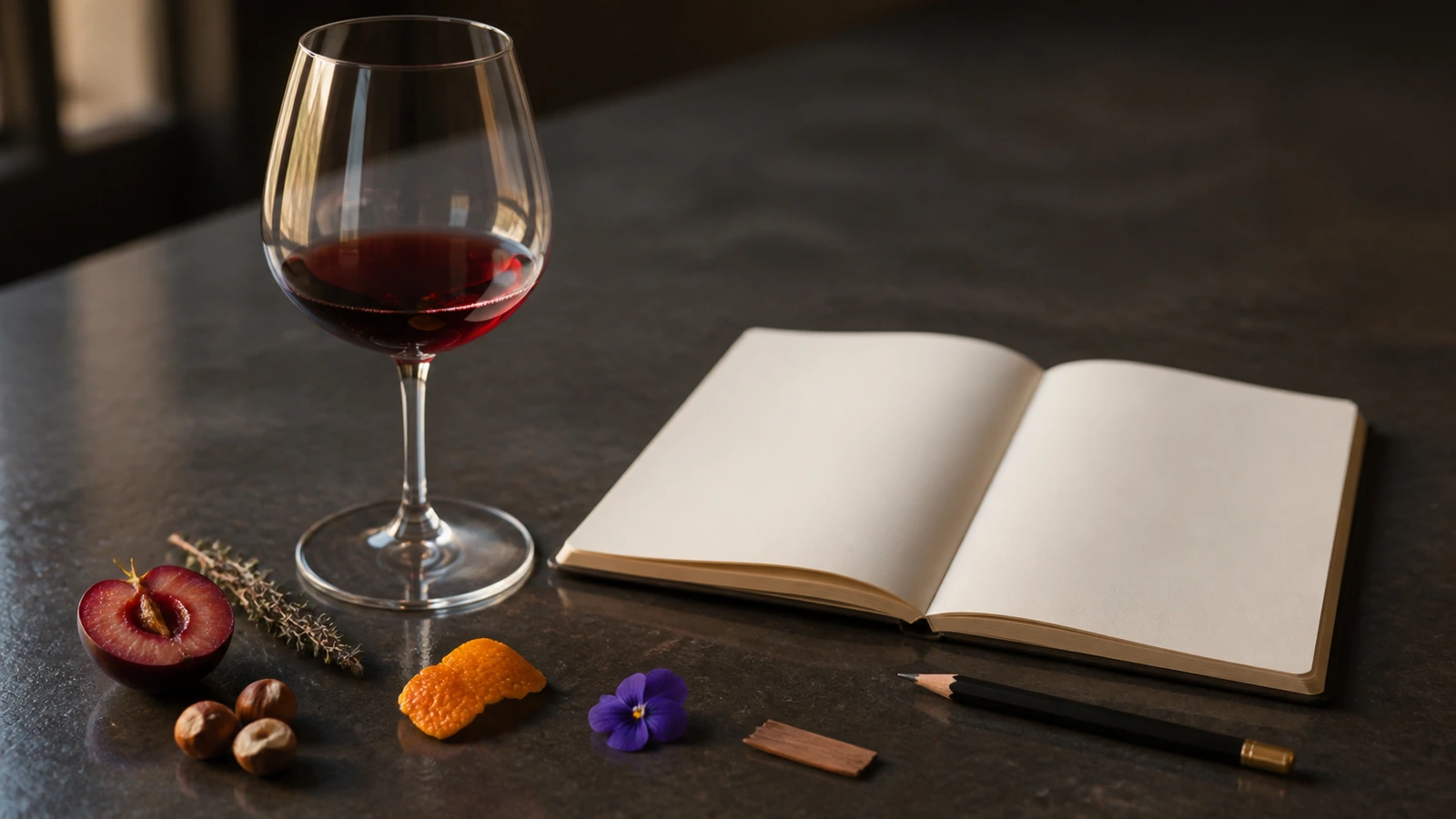
Why can a wine aroma feel familiar yet resist a name? Learn what odor science shows and use a practical method to describe wine with confidence.
Wine without the performance: a journal about aroma, science, memory, bottles, and the quiet confidence to choose what you actually enjoy.